
Friendship Recession: The Silent Epidemic Rewriting Our Social DNA
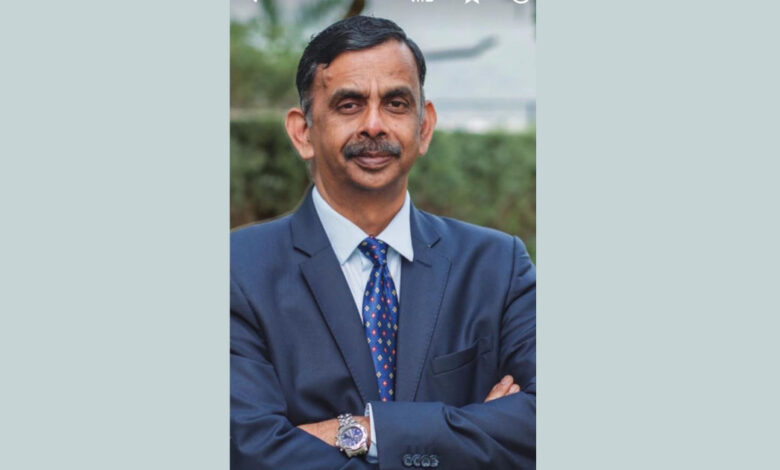
By – Pankaj Belwariar, Director Communications, SRM University -AP
In an age when we’ve never been more connected, we are paradoxically becoming more alone. Smartphones hum in our hands, notifications blink relentlessly, and yet the intimate, grounding conversations that once shaped our sense of belonging are fading. Harvard Business Review recently called it what it is—a Friendship Recession. It’s not just a social deficit; it’s a cultural and biological one.
From 1990 to today, the number of Americans who say they have no close friends has quadrupled to 12%. Those who once had ten or more close friends have declined by a third. India’s urban centres, too, reflect this pattern. We’re surrounded by acquaintances—people we work with, like, or follow—but fewer who truly know us. We are alone in cafés filled with people, scrolling through feeds that simulate connection but rarely satisfy it.


The Cost of Disconnection
The implications of this trend extend far beyond emotional wellbeing. Studies increasingly show that loneliness is not merely a passing sadness—it’s a physiological threat. Research links chronic loneliness to higher risks of heart disease, dementia, and even premature death. In fact, scientists estimate that living without meaningful social bonds is as harmful as smoking 15 cigarettes a day.
This isn’t hyperbole—it’s neuroscience. Friendship releases oxytocin and dopamine, strengthening our immune systems, lowering cortisol levels, and even improving cognitive function. The absence of these bonds leaves a void our bodies experience as sustained stress. When companionship fades, our health follows.
Money Changes, Friendship Endures
Harvard’s landmark 80-year study on adult development underscores this truth: The single strongest predictor of happiness and health is the quality of one’s relationships. Wealth, status, and success may decorate our lives, but it is enduring friendship that sustains them. A true friend—one who listens without judgment, forgives freely, and celebrates quietly—is an anchor in the storm of life.
From Convenience to Commitment
Somewhere along the way, our culture began treating friendship as optional—a byproduct of convenience or circumstance. Work schedules replaced leisure, social media replaced shared time, and independence was mistaken for strength. But friendship is not a luxury—it’s a necessity. It requires the same intentionality we give to jobs, families, and ambitions.
Stanford University recently introduced a course on friendship, recognizing that this fundamental human skill can be learned, practiced, and deepened. Perhaps that’s where our collective healing begins by relearning how to connect beyond the screen, by rebuilding intimacy one honest conversation at a time.
Rediscovering the Art of Friendship
To reverse the friendship recession, we need to start small reaching out, making time, forgiving quickly, showing up. Invite someone to share a meal instead of a meme. Celebrate birthdays in person again. Choose presence over performance.
Because life, in the end, isn’t measured by followers or accolades, but by the friends who stand with us through the cycles of joy and uncertainty. Friendship, after all, is wealth that never depletes—it compounds with every memory, every moment of trust, every silent understanding.
When we nurture friendship, we don’t just enrich our days—we extend our lives.




Nice