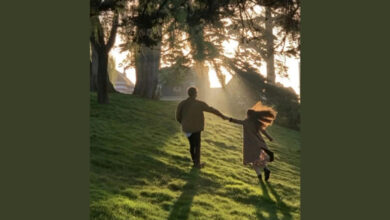
Challenges and Opportunities of Lonely Life
By- Pankaj Belwariar- Director Communications, SRM University-AP

Life has a way of reshaping itself when the nest empties and routines shift. As children grow up and settle into their own worlds, and a spouse dives deeper into her career, you find yourself navigating a landscape of solitude: working alone at your desk, walking solitary paths, cooking single portions, eating without conversation, and yes, even talking to yourself in quiet moments. This “lonely life” isn’t a curse but a new chapter—one fraught with challenges yet brimming with opportunities for reinvention. Right now, on a solitude trip in Goa, I’m walking down sun-kissed beaches like Baga or Calangute, exploring hidden coves and spice plantations, and sitting alone at a beach shack, drafting this very article with the waves as my only companion. Drawing from this real-time immersion and my journey in higher education communications, where independence has become both a trial and a teacher, here’s a candid look at both sides.
The Challenges: Navigating the Quiet Storm
Solitude amplifies what’s already there, turning minor discomforts into profound hurdles. Emotionally, the absence of daily chatter can breed loneliness that seeps into your bones. Without the rhythm of family meals or casual check-ins, days blur into a monotonous haze, inviting self-doubt: Am I fading into irrelevance? Studies from the World Health Organization highlight how prolonged isolation correlates with heightened risks of depression and anxiety, especially in midlife when social circles naturally shrink.


Practically, the shift demands adaptation. Cooking for one feels wasteful; meal preps gather dust in the fridge. Household chores, once shared, now loom larger—laundry piles up, and the silence during them echoes louder. Professionally, working alone means no impromptu brainstorming; ideas simmer without the spark of debate, leading to creative blocks. In my role at SRM University AP, I’ve felt this acutely during late-night article drafts, where feedback loops are self-imposed and imperfect. Financially, empty-nester status might ease some burdens, but healthcare worries or travel dreams—like funding this Goa getaway—strain solo budgets without a partner’s input.
Yet, these challenges aren’t insurmountable. They test resilience, forcing you to confront vulnerabilities head-on, much like a solo trek through Goa’s monsoon-drenched backroads—treacherous but transformative.
The Opportunities: Turning Solitude into Solace
What if loneliness is less a void and more a canvas? This phase unlocks freedoms long deferred. Creativity flourishes in silence; without distractions, I pour hours into writing articles on institutional branding or thought leadership, unhurried and unjudged. Here in Goa, beach shack sessions yield fresh perspectives, the salty breeze inspiring lines that flow effortlessly onto the page.
Self-discovery thrives here too. Alone time sharpens hobbies: I’ve delved into cultural documentation, capturing festival vignettes from India’s heartlands, or honed digital storytelling skills for university campaigns. Exploring places becomes a personal pilgrimage—right now, it’s Goa’s vibrant markets, serene chapels, and endless shorelines, each step fuelling stories for social media or conference panels. Health benefits emerge—solitary beach walks build fitness and mindfulness, mindful shack-side meals foster nutrition, and introspective moments clarify goals. Research from psychologists like Julianne Holt-Lunstad shows that chosen solitude boosts problem-solving and emotional regulation, turning introverts into powerhouses.
Professionally, it empowers niche expertise. In higher education, I’ve leveraged this independence for deeper media relations dives or brand strategy innovations, positioning myself as a thought leader without committee consensus. Financially savvy solo living—minimalist Goan seafood feasts, off-season stays—frees resources for such passions.
Embracing the Lone Path Forward
Lonely life challenges us to rewrite isolation as intentional aloneness. Start small: curate a “solitude toolkit”—journals for beach reflections, playlists for coastal walks, online communities for virtual camaraderie. Join writing circles or travel groups to blend solo adventures with sparks of connection. In my Goa experience, this duality enriches life, much like a well-composed article: tension in challenges, beauty in opportunities.
Ultimately, this stage isn’t an end but an encore. By leaning into creativity, exploration, and writing—from Delhi desks to Goan shacks—we don’t just survive loneliness; we orchestrate it into a symphony of self-fulfilment.