Hair Restoration in India: The Shift Towards Evidence-Based Treatments and Natural Results
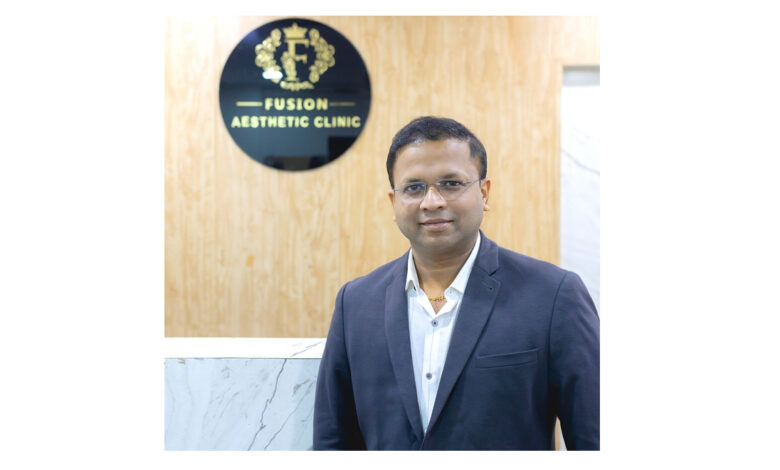
In an exclusive interview with Dr. Pranil More, Director of Fusion Aesthetic Clinic, we explore the evolving landscape of aesthetic medicine and hair restoration in India.
From the growing incidence of hair loss among younger adults and the role of lifestyle and medical factors to advancements in AI-powered scalp analysis and modern hair transplant techniques, Dr. More shares insights into how technology, personalised care and evidence-based treatments are shaping the future of hair restoration.
He also highlights the importance of realistic expectations, early diagnosis and informed decision-making in helping patients achieve safe, natural-looking and sustainable results.


1. Dr. Pranil, through your experience in aesthetic medicine and hair restoration, what are some of the most significant changes you have witnessed in how patients approach hair loss and aesthetic treatments today?
A : Patients today are much more informed and proactive about hair loss and aesthetic treatments. They research their options, ask more questions, and increasingly focus on evidence-based treatments and natural-looking results. They also have higher expectations around transparency, safety, and realistic outcomes. I also see younger patients seeking professional advice earlier, which allows us to identify the cause and plan treatment more effectively.
2. Having worked closely with patients dealing with hair loss and restoration concerns, what has your experience taught you about balancing clinical outcomes with patient expectations and confidence?
Hair restoration is not just about achieving a good clinical result; it is also about understanding the patient’s expectations and concerns. Every patient is different, so I believe in setting realistic goals and explaining what can genuinely be achieved.
My approach is to focus on natural-looking, sustainable results while ensuring patients feel informed and confident throughout their treatment journey. When clinical expertise and realistic expectations come together, the outcome can be truly transformative.
3. Hair loss is increasingly being reported among younger adults. What are the key lifestyle, environmental and medical factors driving this trend, and when should someone seek professional help?
A: As a doctor, I’m seeing more young adults with hair loss due to stress, poor sleep, crash dieting, nutritional deficiencies, pollution and genetics.
Medical conditions and hormonal changes can also play a role.
Persistent or sudden hair loss, visible thinning or bald patches should be professionally evaluated early for the right diagnosis and treatment.
4. With hair transplant procedures becoming more accessible, how can individuals distinguish between evidence-based hair restoration and treatments that may be promoted without adequate scientific backing?
Patients should look beyond attractive packages and marketing claims. They should check the doctor’s qualifications and experience, understand why a particular technique is recommended, and ask about realistic outcomes, risks and long-term planning. A proper diagnosis and personalised treatment plan are key indicators of evidence-based hair restoration.
5. Looking ahead, how do you see technology and advancements in aesthetic medicine transforming the diagnosis and treatment of hair loss and scalp disorders in India?
A: Looking ahead, technology will make hair-loss diagnosis more precise, personalized and data-driven.
AI-based scalp analysis, digital trichoscopy and advanced imaging can help detect hair and scalp disorders earlier and monitor treatment objectively.
At the same time, regenerative therapies and improved hair-transplant techniques are likely to become more refined.
In India, the key will be combining these innovations with evidence-based medical practice and skilled doctors to deliver safe, natural and long-lasting results.